Selling You a Dream They Don't Live: The UK Celebs Caught Flogging Products They'd Never Touch
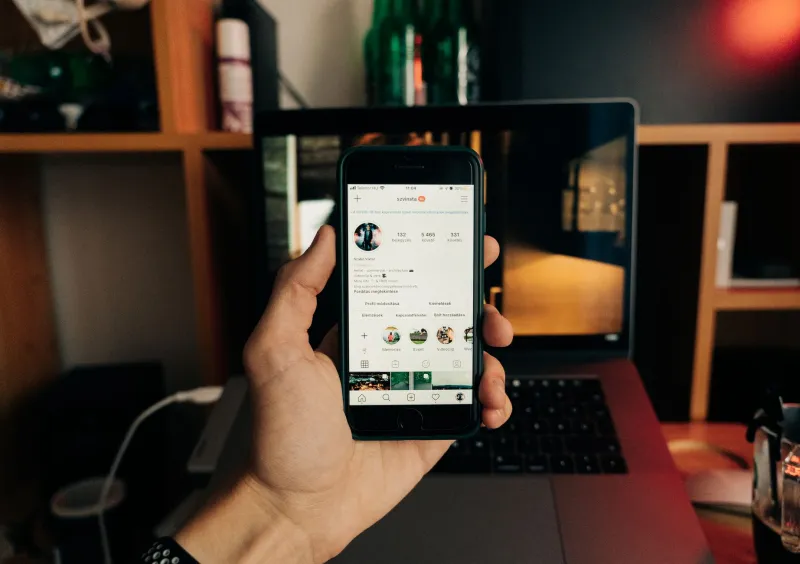
Let's set the scene. A well-known British celebrity appears in your Instagram feed, glowing under ring-light perfection, holding up a bottle of some £12.99 collagen serum with the kind of enthusiasm usually reserved for winning a BAFTA. "I've been using this for three months," they say, "and I genuinely cannot believe the difference." Swipe up. Use code CELEB20.
Now scroll back through their grid to three weeks before that post. There they are at a brand event — for a completely different skincare company. And six months before that? A magazine feature where they name-drop an entirely separate luxury brand as their holy grail product.
Welcome to the UK's sponsorship economy, where the gap between what's being sold and what's actually being used has become a chasm wide enough to drive a sponsored Range Rover through.
The Receipts Are Right There
The beauty — if you can call it that — of social media is that it creates a permanent, searchable archive of everything a public figure has ever publicly claimed to use, love, or recommend. And when you start cross-referencing those archives against paid partnership posts, the inconsistencies pile up remarkably fast.
The pattern tends to follow a familiar shape. A celebrity signs a deal with a mid-tier skincare, supplement, or wellness brand. The sponsored posts go up, complete with legally required AD labels that a significant chunk of followers still don't register as meaning "I was paid for this." Meanwhile, their unsponsored content — the candid Stories, the paparazzi shots, the red carpet interviews — continues to feature entirely different products.
Sometimes the contradiction is almost comedic in its boldness. A celeb spending months posting about a budget meal delivery service while their actual lifestyle content features high-end restaurant dinners and personal chefs. A reality TV star endorsing a budget gym wear brand while being papped exclusively in designer sportswear that costs more than most people's monthly rent.
The Crypto and Finance Frontier
If the beauty and wellness space is messy, the financial product endorsement world is outright alarming. The past few years saw a wave of British celebrities — predominantly those with large, younger followings — promoting cryptocurrency platforms, trading apps, and investment schemes with a breezy confidence that suggested they'd done extensive research.
Regulators eventually caught up with some of this. The Financial Conduct Authority has been increasingly vocal about celebrity-endorsed financial promotions, and several high-profile cases resulted in public reprimands and, in some instances, significant fines. But the damage to followers who'd acted on those endorsements — many of whom had no meaningful investment experience — had already been done.
The uncomfortable truth is that many of the celebrities involved appeared to have little genuine engagement with the products beyond the payment they received. When pressed in interviews, the answers were often vague. When the platforms in question later faced scrutiny or collapsed entirely, those same celebrities went conspicuously quiet.
Are Fans Actually Wising Up?
For a long time, the influencer economy operated on the assumption that followers were broadly uncritical consumers of whatever their favourite personalities endorsed. That assumption is looking increasingly shaky.
Comment sections have become forensic. Followers now routinely call out inconsistencies in real time, tagging old posts and archiving contradictory content before it can be quietly deleted. There are entire accounts dedicated to tracking celebrity sponsorship patterns and flagging misleading claims. The ASA receives thousands of complaints annually about influencer advertising, and public awareness of the AD labelling system — while still imperfect — is meaningfully higher than it was five years ago.
Brands are starting to notice too. The ROI on celebrity endorsements has become harder to justify when a significant portion of the audience has already decided, with some justification, that the celebrity in question has never been near the product in their life.
The Ones Who Do It Properly
In fairness, not every celebrity endorsement is a cynical cash-grab. There are British public figures who've built genuinely coherent brand relationships — where the product aligns with their publicly documented lifestyle, where the partnership has longevity, and where the endorsement doesn't contradict everything else they're putting out into the world.
The difference tends to be visible almost immediately. Authentic endorsements come with specificity — actual detail about how and why someone uses a product — rather than the generic glowing language that reads like it was written by a marketing team (because it usually was).
The bar for what counts as credible isn't actually that high. Followers aren't asking for perfection. They're asking for basic honesty about what a paid promotion is and what it isn't.
The Bottom Line
The UK's celebrity endorsement economy isn't going anywhere. The money is too good, the barriers to entry are too low, and the regulatory framework — while improving — still has significant gaps.
But the era of posting a sponsored product into an uncritical void and collecting the cheque in silence is definitively over. The archive is always there. The followers are paying attention. And the gap between what's being sold and what's actually being lived has never been easier to spot.